
What the fastest fire evacuation I've ever witnessed taught me about investing in accessibility.
Last week, I witnessed something remarkable. A group of adults with intellectual and developmental disabilities, many with significant mobility challenges, completed a fire evacuation in 40 seconds. It was the fastest evacuation ever recorded for this group.
Forty seconds. Most would celebrate the successful fire drill and move on. I couldn't stop thinking about what those forty seconds represented. It wasn’t the result of better training. It wasn’t because staff worked harder. It wasn’t luck. It was the result of a decision we made long before the fire alarm ever sounded.
Several years earlier, The Guild began asking a difficult question: Are we maintaining buildings, or are we designing environments where people can truly thrive?
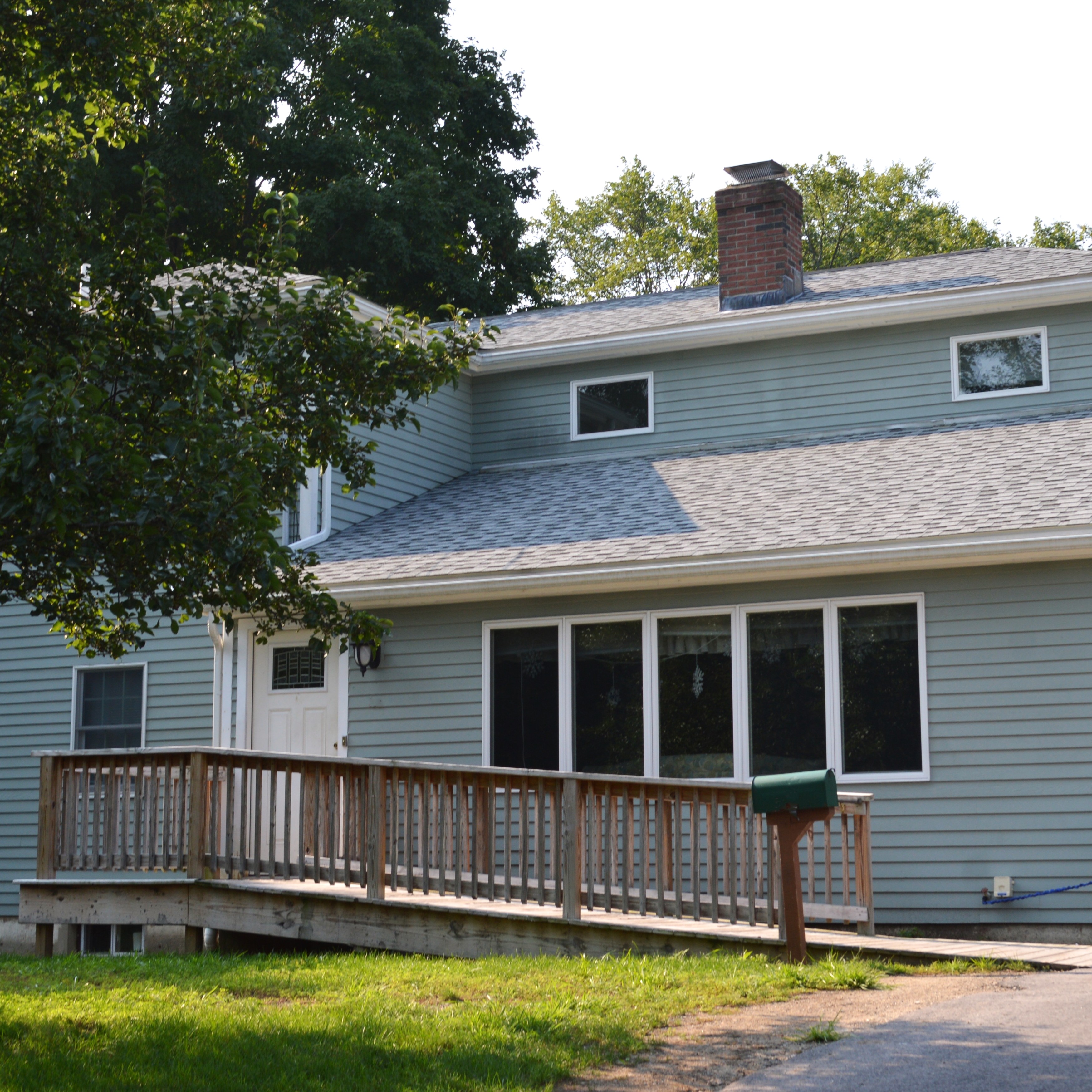
Some of our homes had served us well for decades; but they were built for another era. They had narrow hallways, multiple stories, tight living spaces, and entrances that assumed everyone could navigate stairs. These layouts made supervision difficult and emergency response slower. The easy decision would have been to continue repairing them. The harder decision was to acknowledge that some buildings could never become what the people living in them deserved.
The Guild’s Board chose the more difficult option: they approved a long-term strategy to modernize our housing stock, which included selling some homes, purchasing others, and investing in accessibility even when the financial return wasn't immediately obvious. It was a strategy that unfolded over several years through careful capital planning and reinvestment. Last week, we saw the return on that investment.
Accessibility is often discussed as a matter of compliance. Does the property have ramps, grab bars, and elevators? Those things matter; but accessibility is much bigger than building codes. Accessibility is about reducing dependence. It is about creating environments where people move more confidently; where staff can support people more effectively; families worry less; and emergencies become more manageable. Sometimes accessibility isn't measured in inches. Sometimes it's measured in seconds.
The challenge is that our traditional investment models rarely recognize those outcomes. Capital projects are typically justified through cost, depreciation schedules, operating efficiencies, and return on investment.
Yet some of the most meaningful returns resist measurement. What is the value of forty seconds during a fire? Of a resident navigating their home more independently? Of staff who can focus on supporting people instead of overcoming the building itself? Or of the confidence families feel knowing their loved one lives in a home designed around their needs? Those benefits never appear on a balance sheet, but they may be among the most valuable returns an organization can generate.
In health and human services, we often think of accessibility as an accommodation. I think that's too small. Accessibility is infrastructure. It is risk management. It is workforce support. It is dignity. And sometimes, it is the difference between a routine fire drill and the fastest evacuation you've ever seen.
Last week's fire drill reminded me that capital planning is one of the most human decisions a leader can make. We often think we're investing in buildings. In reality, we're investing in safety, independence, confidence, and dignity. The buildings are simply the means by which those outcomes become possible.
Thank you to Lisa DeMarco, Hayden Roc, Ivette Rodriguez, Maureen Costello-Shea, and the many Guild team members who spent years bringing this vision to life. Last week's 40-second evacuation was not simply the result of good emergency planning; it was the product of years of thoughtful leadership, careful design, and an unwavering commitment to the people we serve.