

In recent years, there has been an increase in media representation of individuals with intellectual and developmental disabilities (IDD) pursuing romantic and intimate relationships, such as on the reality TV show Love on the Spectrum. These stories highlight something many families and professionals already know: people with IDD want and deserve opportunities to build meaningful connections, just like anyone else.
At the same time, proposed regulations in Massachusetts from the Department of Early Education and Care (DEEC) risk narrowing adults’ ability to make their own choices about relationships and sexuality. The Guild has raised concerns that, in the name of safety, these policies can unintentionally strip adults with IDD of the autonomy and dignity that others take for granted. Adults deserve education, support, and safeguards that expand their rights and opportunities rather than restrict them.
Research shows that people with IDD and “autistic people have restricted sex education. [Sex education] programs are not tailored for neurodivergent people and are still excessively focused on the mechanics of sex (e.g., reproduction), sexual function and contraception rather than on socio-emotional components, skills training and intimacy.”
At The Guild, adult residents, staff, and parents/guardians all receive training on sexuality and healthy relationships. The training is based on the Elevatus training curriculum, which was developed by a sex educator specifically for individuals with IDD. It emphasizes self-determination, healthy relationships, boundaries, consent, and communication skills. The training also equips caregivers, educators, and service providers with the skills they need to respond to questions and support ongoing conversations.
Three cohorts of adult residents have completed the 22-week curriculum, which has been facilitated by House Managers Junior Paris (Dedham) and Isaiah Anjoh (Walpole). Both completed a teaching certification to run the class and to help other staff support individuals in their everyday lives.
For this edition of Ask the Expert, Junior and Isaiah discuss why education about healthy relationships is essential for adults with IDD and how residents at The Guild are building skills, confidence, and independence.
What is the Elevatus curriculum and what does it cover?
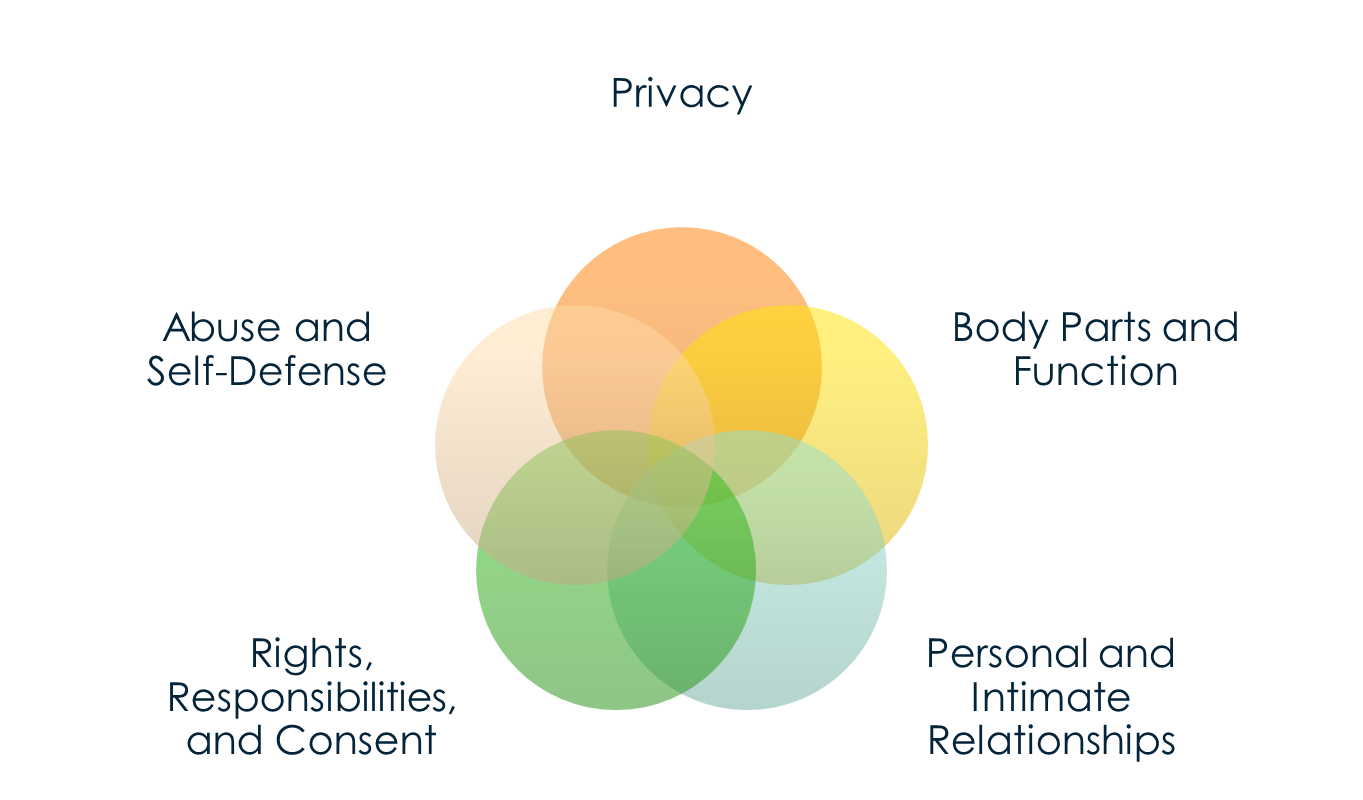
The Elevatus curriculum focuses on teaching people with intellectual and developmental disabilities the skills they need to build safe, respectful, and healthy relationships. It is designed to help individuals understand boundaries, recognize the characteristics of healthy versus unhealthy relationships, and identify different types of relationships (friends, family members, staff, romantic partners, etc.).
Participants learn about personal safety, online safety, consent, and safe sexual practices, as well as how to identify trustworthy support people and potential dangers such as abuse and exploitation. Lessons are taught in accessible, concrete ways using visuals, examples, and role-plays so that participants can practice skills in real-life scenarios and apply what they learn outside the classroom.
What has been the role of the instructors in teaching the curriculum and training other staff?
Isaiah and Junior have both facilitated the curriculum, delivering the lessons, adapting the material to meet diverse learning needs, and ensuring that the content is presented in a clear, respectful, and supportive way.
They are both certified instructors for the course and help train other staff by modeling how to facilitate discussions, adapt materials for different learning styles, and create a safe and nonjudgemental environment. This work includes helping staff feel more comfortable talking about healthy relationships and safety so they can reinforce these skills in everyday interactions, not only during class sessions.
Isaiah says of his role, “I train other staff members on how to effectively teach the curriculum, providing them with strategies for adapting the material and supporting individuals in their learning.”
Why is it important for individuals with IDD to be able to learn about healthy relationships?
Everyone has the right to understand their bodies, boundaries, and relationships. Individuals at The Guild have the same rights as anyone else to experience healthy, fulfilling relationships.
However, people with IDD often face barriers such as lack of access to education, overprotection, stigma, or others assuming they will not understand. Communication differences, cognitive limitations, and societal assumptions about their capacity for relationships can make it harder for them to receive accurate information and practice skills.
Without education, individuals may be more vulnerable to exploitation, abuse, or unhealthy dynamics, especially when they experience social isolation or have not been taught about appropriate boundaries.
Junior’s hope for the class is that “participants gain confidence, learn how to make informed choices, understand consent, and feel empowered to build positive and safe relationships.” For Isaiah, key goals include “increased self-esteem, improved social skills, and the ability to advocate for themselves in relationships.”
How do the individuals in the class grow their skills throughout the course?
The curriculum builds on topics and skills each week, and some subjects require more than one lesson to cover thoroughly. Over time, participants often become more comfortable speaking up, asking questions, sharing their experiences, and expressing their needs and boundaries.
Many individuals demonstrate stronger decision-making skills and greater awareness of their rights. Isaiah indicates that ultimately this leads to building healthier relationships with peers, family, and staff.
“Some individuals are shy about being themselves, but the class teaches them to be open. This is your life, this is your body,” Junior says.
How do participants benefit from learning in a group setting, rather than one-on-one with staff?
Group learning helps participants realize that they are not alone in their questions or experiences. They learn by listening to peers, practicing social skills in real time, and participating in group discussions and activities. Group settings can build a sense of community and help reduce stigma and shame related to discussing relationships and sexuality. Participants also demonstrate an increased motivation and engagement through group activities and discussions.
What can staff, friends, and family do to support education about healthy relationships and the topics covered in the class?
Staff, friends, and family members play a critical role in reinforcing what participants learn. They can support individuals by:
- Continuing conversations about relationships, boundaries, and consent outside of class
- Using clear, consistent language to describe body parts, privacy, and personal space
- Creating opportunities to practice social skills, such as greeting people, setting boundaries, or handling rejection
- Being open to questions and responding without judgment, even when a question feels uncomfortable
Modeling healthy communication, respecting boundaries, and encouraging independence are essential. Above all, staff and family members can create an environment where individuals feel safe, respected, and supported as they build and maintain healthy relationships.
Ask the Expert is a blog series featuring Guild staff and stakeholders discussing recent trends, topics, and research within the field of intellectual and developmental disabilities (I/DD). Previous editions have explored the benefits of outdoor adventures, the importance of trauma-informed care, and navigating the transition to adulthood for individuals with autism.